Why Censorship Doesn't Work — And Australia's Social Media Ban Proves It
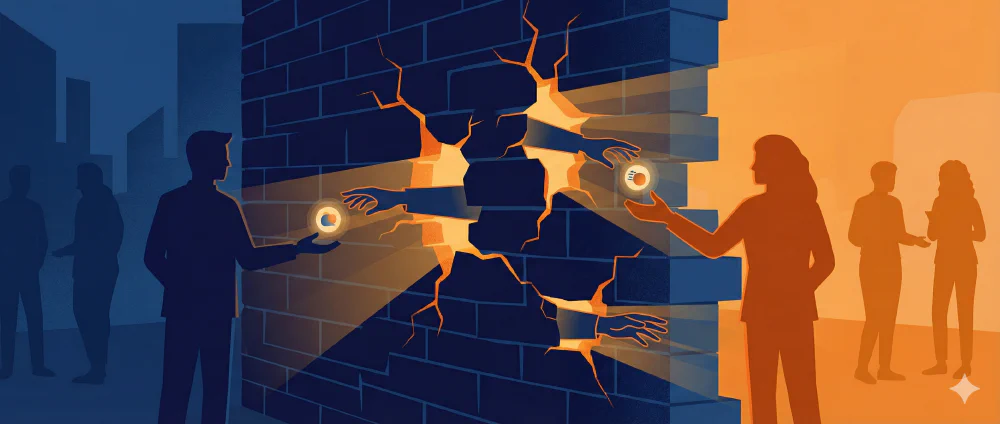
Australia’s social media ban for under-16s came into effect in late 2025, and barely two months in, it’s already falling apart. Platforms have removed 4.7 million accounts — but teens are finding ways around the restrictions just as fast. That’s exactly what happens every time governments try to control what people do online. I want to share why I believe censorship is fundamentally broken, and what we should be doing instead.
Australia’s Ban Is Already Failing
The numbers might sound impressive on paper, but look closer and the cracks are obvious. Teens are using VPNs, switching to alternative platforms like Discord, Lemon8 and Yope, and simply lying about their age. One 15-year-old demonstrated on national television how she could bypass Meta’s facial recognition age verification in minutes. A majority of Australians aren’t confident the ban is actually working.
Meanwhile, Meta has already urged Australia to rethink the policy, and Reddit flatly refused to comply. The whole thing is playing out exactly as anyone who understands technology would have predicted.
You Can’t Out-Ban Human Ingenuity
Here’s the thing about censorship: it only takes one person who’s a bit more clued up than the people who wrote the rules. One person finds a workaround, shares it, and suddenly the whole policy is Swiss cheese.
We’ve seen this in far more extreme circumstances. Iran has literally switched off the internet during protests — shut down mobile networks, killed connectivity entirely. And even that didn’t work. People turned to Starlink satellite connections, built mesh networks, and communicated regardless. In Syria and Egypt, the same story played out during the Arab Spring.
If authoritarian regimes with total control over telecommunications can’t make censorship stick, what chance does a well-meaning age restriction have? People in oppressive regimes still smuggle information out on micro SD cards — tiny things concealed practically anywhere. When people are determined to communicate, they will find a way. Full stop.
The Harder You Squeeze, the More Slips Through
There’s a pattern here that governments keep ignoring. The more aggressively you crack down, the stronger the pushback becomes. It’s a bit like trying to hold water in your fist — the harder you squeeze, the more escapes between your fingers.
History is full of examples. Every authoritarian leader who tried to crush dissent through brute force eventually faced a reckoning. The crackdowns in Syria didn’t save Assad — he ended up fleeing the country. The internet shutdowns in Iran haven’t quelled the protest movements. Censorship doesn’t eliminate discontent; it concentrates it.
I wrote recently about the UK government’s approach to banning teens from VPNs and social media, and I think the same principle applies here more broadly. These policies might be well-meaning, but they’re going to backfire. We’re a relatively calm nation, but keep pushing people’s rights to free expression and free speech, and you’ll get a reaction. It’s inevitable.
Education, Not Prohibition
So what actually works? Education. It’s not as dramatic as a ban, it doesn’t make for a punchy headline, and it’s certainly harder to implement. But it’s the only approach that produces lasting results.
We need to start with the policymakers themselves. Too many decisions about technology are being made by people who don’t understand it, influenced by corporate interests that don’t have the public’s wellbeing at heart. That’s a polite way of saying corruption is a real problem — even here in the UK — and it needs addressing.
But more importantly, we need to invest properly in digital literacy for everyone, especially children. Right now, the provision is shocking. My own kids, who admittedly have the advantage of growing up with a dad who works in IT, come home frustrated by what they’re taught in school. They’ve already learned more from the internet than their IT lessons cover. And that’s the gap — we’re not equipping young people with the critical thinking skills they need to navigate the online world safely.
Instead of banning platforms and restricting access, we should be teaching people how to spot manipulation, how to protect their privacy, and how to think critically about what they see online. We need to hold the corporations accountable through proper regulation and taxation, not by restricting the rights of ordinary people.
Censorship is a sticking plaster on a broken leg. Education is the surgery that actually fixes the problem. It takes longer, it costs more, and it requires genuine commitment — but it’s the only thing that works.
What’s Your Experience?
What’s your view — does regulation or education work better when it comes to online safety? Leave a comment below or reach out on social media.
If you’d like to talk through how to protect your organisation’s digital rights while staying compliant, hit the “Let’s talk” button and book a free explorative call.

Axel Segebrecht is founder and director of Be Braver Ltd, a UK-based technology consultancy specialising in digital sovereignty, self-hosted infrastructure, and FOSS migration for European businesses.

Discussion